WHIRL (What Have I Read Lately) Books is a site for readers to find books for themselves and their book clubs. Liz at Literary Masters runs book groups and literary salons where we "dig deep" into literary treasures.

Wednesday, September 23, 2015

Literary Masters Reads I Am Malala!

One of the books that Literary Masters members will be reading this month is I Am Malala, Young Readers Edition by the Nobel laureate Malala Yousafzai.  Unless you've been living under a rock, actually even if you've been living under a rock, you know that in 2012, the Taliban shot this young Pakistani girl in an attempted assassination because she was advocating for girls' rights to an education.

This is an extraordinary story told by a truly remarkable young woman.  I encourage you to read the Young Readers Edition with your children; you will be amazed.  And you may even wonder, "What can I do to help?"  Indeed, a frequently asked question in the discussion of this book is "What can be done to help Malala in her quest to help get more girls an education?"

Well, every little bit helps.  And as Malala is showing the world, one person really can make a difference!


Literary Masters is thrilled to be teaming up with Schoola, the wonderful online school fundraising site, to benefit the Malala Fund.  Malala-Schoola bags will be distributed at our Literary Masters meetings, and if the girls choose, they can fill the postage-paid bags with used clothing and drop them off at the post office or leave them on their front doorsteps for the mail man to pick up and bring to the Schoola warehouse.  Schoola will sell the clothes online and donate 40% of the sale of every item to the Malala Fund, a non-profit organization whose aim is to empower girls through education.

Now, this is all very exciting timing because the documentary film He Named Me Malala is premiering during September and October, so if you want to have a multi-media experience, watch out for the film coming to a theater near you.  Here is a  preview.

I hope you'll take the time to read this book with a young person, and even better--talk about it with them! 

Find out more about Schoola here:
and find out more about the Malala Fund here:


Saturday, August 29, 2015

The Literary Masters Reading List for the 2015/2016 Season is Posted!

The 2015/2016 Season of Literary Masters is officially kicking off today with the announcement of the reading list on the Literary Masters website.  You can visit and learn all about Literary Masters book groups and salons by clicking here.  And if you just want to see the reading list, here it is below.  Why not read along with Literary Masters?  Enjoy!

Controversy. According to the Merriam-Webster dictionary app, controversy is “a discussion marked especially by the expression of opposing views.” Well, the 2015/2016 Literary Masters season is sure to be filled with all sorts of viewpoints! As always, our salons encourage debate and a spirited exchange of ideas. Our hope, of course, is that we come away from each meeting having learned from fellow members and with a more open, informed, and empathetic viewpoint. After all, isn’t that why we read and gather to talk about our books? Get ready to wade into a few controversies, fellow members!

Literary Masters 2015/2016 Season

October: Go Set a Watchman by Harper Lee. To call the publication of this book a controversy is an understatement. Like it or hate it, Pulitzer Prize-winning Harper Lee’s second novel has generated one of the largest (and divisive) literary conversations in ages. And we’ll be taking part!

November: Redeployment by Phil Klay. This time it’s the subject matter that is controversial; these stories written by an Iraq war veteran will take us to a place that none of us have been to—but where we’ve sent plenty of fellow Americans. We should talk about this, right? What’s not contested is the merit of this book; it won the National Book Award and the National Book Critics Circle Award, among others.

December: The Children Act by Ian McEwan. Can you force a sick child to accept medical treatment? Should you? What if that child’s religion forbids it? And who gets to decide? These and other controversial topics will be covered in our salons during December.

January: The Sympathizer by Viet Thanh Nguyen.   The protagonist of this thought-provoking novel will undoubtedly make you look at the Viet Nam war (and America’s role in it) in a whole new light. Just how much responsibility does America bear, and how guilty should we feel? A controversial war, and a novel sure to generate a lot of debate.

February: Ragtime by E.L. Doctorow. There is universal sentiment that the literary world lost a lion when E.L. Doctorow passed away this year. However, this novel is full of controversy, both in its structure and its themes. We will have fun “digging deep” into this literary treasure, which won the National Book Critics Circle Award.

March: The Lonely War: One Woman’s Account of the Struggle for Modern Iran by Nazila Fathi. Is there anything about Iran that isn’t controversial? This memoir is our nonfiction selection for the season, written by a native Iranian and NY Times correspondent. This is sure to open a few eyes. Ben Affleck isn’t the only one who can transport us to Iran and back!

April: I Do Not Come to You By Chance by Adaobi Tricia Nwaubani. This debut novel won its Nigerian author the Commonwealth Prize for Best First Book as well as the Betty Trask First Book Award. Set in Nigeria, the hilarious story (with some serious undertones) pits education against corruption as we enter the world of Nigerian email scamming. With a controversial nod to Western affluence and influence, this novel will, if nothing else, make you look at your emails with new appreciation!

May: Purity by Jonathan Franzen. Okay, just the author’s name generates controversy. But we’ll be closing out the season discussing the work of another literary…well, if not a lion, then at least a literary cub.   Perhaps we’ll have to don our feminist hats to decide once and for all whether Franzen is a misogynist. Perhaps we should invite Oprah to a salon?

Sunday, July 12, 2015

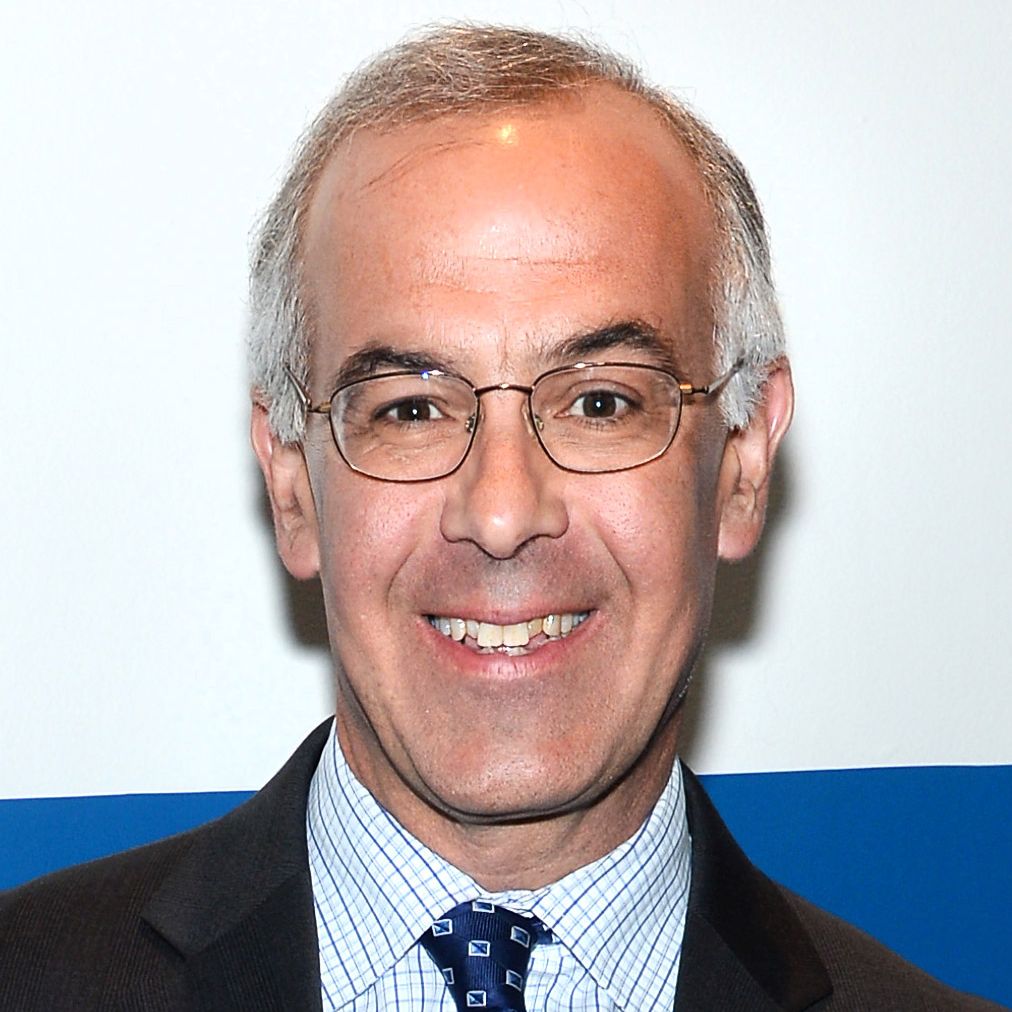
Well, just in case you needed more evidence that reading and being part of a book group are good for you, here's an article by David Brooks of The New York Times that should satisfy you and set you looking for the nearest Literary Masters book group or salon!  Feel free to pass it along!

Wednesday, June 3, 2015

Bailey's Women's Prize for Fiction 2015: We Have a Winner!

Well, I didn't see this one coming.  Congratulations to Ali Smith for winning this year's Bailey's Women's Prize for Fiction for her unusual novel, How To Be Both!  For more info, click here.

Friday, May 29, 2015

Bailey's Women's Prize for Fiction

There are a lot of literary prizes being awarded these days.  I tend to look at prize-winning authors and books as a filter.  I know this is a flawed method, but in a world with so many books and so little time, I have to rely on something to help me whittle down my choices.

One of the prizes I follow is the Bailey's Women's Prize for Fiction.  The 2015 winner will be announced June 3rd.  The short list is:
  • Rachel Cusk for Outline
  • Laline Paull for The Bees
  • Kamila Shamsie for A God In Every Stone
  • Ali Smith for How To Be Both
  • Anne Tyler for A Spool of Blue Thread
  • Sarah Waters for The Paying Guests
Of these books, I had difficulty getting into two of them: How to be Both, and The Bees.   In fact, I put them down after a few pages.  If one of them wins on June 3rd, I imagine I'll pick it up again!  I have a feeling Sarah Waters is going to take the prize, but we shall see!

Saturday, March 21, 2015

Should Your Book Club Read A History of Loneliness by John Boyne?

I read this book in two days, and would have finished in one if other duties hadn't insisted upon my attention!  Wow, you think a subject like the sex scandals of the Catholic Church have been done and dusted, and then you pick up a book like this and realize...where is the outrage???  Yes, your book club should read and discuss this!  Also, it's a very gripping and superbly crafted story.

So, what can your book club talk about?

Warp-speed plot summary: It's Ireland, and we're taken by the narrator from his childhood through his time as a priest in both Ireland and Rome as he reflects upon the Church's sex scandals, pondering all the while the culpability of those involved.

Father Odran Yates is our narrator, and you will no doubt spend a lot of time figuring him out.  Is he reliable?  Is he telling the reader the truth?  Is he telling himself the truth?  Is he the priest that his best friend Tom accuses him of being?  Or is he someone else?  Why does Odran join the priesthood, and why does he stay there?  What is he getting out of it?  Why is he telling us his story?

This may lead you to talk about the role of priests and other religious leaders.  What is their appropriate role?  What is their value?  Are they anachronisms?  What makes a good priest?

You'll want to talk about the structure of the book.  Does the form carry any meaning to the reader?  Is the structure an integral part of what the book is saying?  Would this be a completely different book if it were told as a linear narrative?  How does the story's structure express the theme of remembering?  Yes, you'll definitely want to consider the remembering that Odran is doing.  What purpose does it hold?  Is it healing?  Or does it re-tramautize?

Should there be a collective remembering?  Or have we all heard enough about such scandals?  Is this an important book to read?

Why do you think this book is titled the way it is?  Is there more than one explanation?  What about the epigraph?  How does this affect your understanding of the book?  How does it inform Odran's telling of the story?

One of the themes you'll want to 'dig deep' into is that of how our childhoods shape who we are.  And how far can we take this as an excuse for our adult behavior?  How long can we blame our parents for how they raised us?

What do you think of Odran's parents?  Are they simply doing what any Irish Catholic parents of the 1960's and '70's would do?  Are they good parents?  Or are they blind, unthinking sheep?  And what about all the parents of the boys who were abused?  Is it fair to say that no one could have realized what was going on except in hindsight?

What do you think of Odran's sister?  Why does he spend so much time telling us about her?

DENIAL.  You'll certainly want to discuss this. Who was in denial?  Who truly didn't know?  Is it even possible that one couldn't know?  Or suspect?  Or is that how we feel now because of everything we do know, now that the scandal has come to light?  You should also talk about the culpability of those who chose or choose to remain in denial.

You'll certainly want to talk about secrecy and its ability to protect those in power.   While you're reading the book, count how many times the words "embarrass" and "shame" show up.  Talk about the psychology of using those very words by those who should have been experiencing embarrassment and shame--a colossal understatement, I realize--against their victims.

Power.  Oh, yes, you will want to discuss this.  Who has it.  How they get it.  And how they keep it.  What happens to those who have it.  What happens to those who don't.

You'll want to talk about Ireland and its relationship with the Catholic Church.  Oh, and you'll want to talk about the Catholic Church.  This could, obviously, take up the entire meeting.  Talk about institutions in general.  Who is in control?  The individuals within them or the system itself?

Talk about Odran's experience in Rome.  Why do you think he tells us about his time there?  What do you make of what Odran tells us about his sexuality?

Is the book excusing anyone?  Is it explaining anything?  Does it add to your understanding of the sex scandals?  Does it make you more empathetic/sympathetic toward anyone?  Does it make you angry and want to DO something?  Is it indicting anyone?  Is it indicting YOU?

Friday, March 13, 2015

National Book Critics Circle Awards: Winners Announced!

I love the National Book Critic Circle Awards!  How could I not?  On their website under Mission Statement it reads:  "The National Book Critics Circle honors outstanding writing and fosters a national conversation about reading, criticism and literature.

"...fosters a national conversation about reading..."  Hm...remind you of anyone you know?

Literary Masters is all about fostering the love of reading and the love of talking about what we read with others!

Congratulations to the winners!  For all the info on the NBCC, click here.  Make sure to check out how they select the winners.

For a snapshot of the winners in each category, continue reading:

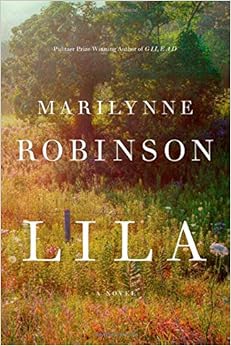
Fiction:  Lila by Marilyn Robinson.  I can't wait to read this book!  (I can't believe I haven't done so yet.)

Autobiography:  Can't  We Talk About Something More Pleasant? by Roz Chast.  For my review of this wonderful, laugh out loud, cry all day, graphic memoir, click here.

Criticism:  The Essential Ellen Willis by Ellen Willis

General Nonfiction:  The Problem of Slavery in the Age of Emancipation by David Brion Davis

John Leonard Prize for outstanding debut book in any genre:  Redeployment by Phil Klay.  You know that I am a big fan of this collection of short stories!  I will try to post about it sometime soon!

Biography:  Tennessee Williams: Mad Pilgrimage of the Flesh by John Lahr.  (What a wonderful title!)

Poetry:  Citizen: An American Lyric by Claudia Rankine

Ivan Sandrof Lifetime Achievement Award:  Toni Morrison  (I'm thinking it's time to read another of her wonderful novels!)

Nona Balakian Citation for Excellence in Reviewing:  Alexandra Schwartz